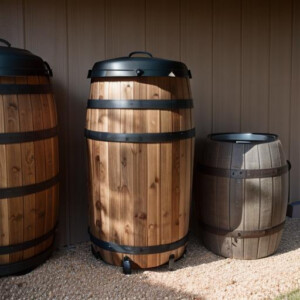
In recent years, rain reclamation has emerged as a critical solution to many environmental and resource management challenges, particularly in regions like Oregon, known for its diverse climates ranging from the wet, coastal rainforests to the drier, eastern deserts. This variability presents a unique opportunity to harness rainwater, turning a natural resource that is often taken for granted into a valuable asset for households and communities alike.
Rain reclamation, the process of collecting, storing, and using rainwater, offers a sustainable alternative to relying solely on municipal water supplies. In Oregon, where water scarcity can impact even the wettest regions due to seasonal variations and growing demands, rainwater harvesting is not just an eco-friendly practice; it’s a practical solution for water conservation and management.
The Science of Rain Reclamation
At its core, rain reclamation involves capturing rainwater from surfaces where it falls, like rooftops, and directing it to a storage system for later use. This simple yet effective method can significantly reduce dependence on treated municipal water for non-potable applications such as irrigation, flushing toilets, and even washing cars and clothes when properly filtered.
The benefits of rain reclamation extend beyond just water savings. It plays a pivotal role in reducing stormwater runoff, a major cause of erosion and water pollution in urban areas. By capturing rainwater, we can lessen the burden on stormwater management systems, reduce the risk of flooding, and help protect our rivers and streams from pollution.
Rain Reclamation in Oregon: Legal Framework
In Oregon, the practice of rainwater harvesting is supported by the state government, provided it adheres to certain legal frameworks designed to ensure sustainability and public health. Understanding these regulations is crucial for homeowners interested in setting up their rain reclamation systems.
State Regulations and Permits
Oregon law allows the collection of rainwater from rooftops and other impervious surfaces. This water, primarily considered runoff before it hits the ground, can be captured and utilized without significant legal restrictions. However, it’s essential to note that the collection of rainwater directly from streams, rivers, or natural bodies of water involves different regulations and typically requires a water right permit.
The Oregon Building Codes Division has set forth guidelines that encourage rainwater harvesting while ensuring safety and environmental protection. For example, systems designed for potable uses must include appropriate filtration and disinfection processes to meet health standards.
Understanding Local Requirements
While state laws provide a framework, local jurisdictions may have additional guidelines or requirements. It’s important for homeowners to check with their city or county authorities to ensure compliance with all local codes and regulations. This step is vital not only for legal compliance but also for optimizing the system design to meet specific local conditions and needs.
Benefits of Rain Reclamation in Oregon
Adopting rain reclamation practices offers a multitude of benefits, from environmental conservation to economic savings and social well-being. Let’s explore these advantages in more detail.
Environmental Benefits
Reduction in Stormwater Runoff: By capturing rainwater, we can significantly decrease the volume of runoff, mitigating erosion and reducing the amount of pollutants entering our waterways.
Conservation of Water Resources: Utilizing rainwater for non-potable uses lessens the demand on municipal water systems, conserving precious freshwater resources.
Enhanced Biodiversity: Sustainable water practices like rain reclamation contribute to healthier ecosystems, supporting a wider range of flora and fauna.
Economic Benefits
Lower Water Bills: Using harvested rainwater for irrigation, flushing, and other non-potable applications can lead to substantial savings on water bills.
Reduced Infrastructure Strain: By diminishing the demand on municipal systems, rainwater harvesting can help reduce the need for costly infrastructure expansions.
Social Benefits
Community Resilience: Communities that adopt rainwater harvesting are better equipped to manage water resources sustainably, enhancing resilience to droughts and water shortages.
Educational Opportunities: Rain reclamation projects offer educational opportunities, raising awareness about water conservation and environmental stewardship.
How to Get Started with Rain Reclamation at Home
Embarking on the journey of setting up a rain reclamation system at home begins with understanding the basics and planning according to your specific needs and local regulations.
Initial Considerations
Assess Your Property: Look at your property layout, roof size, and potential catchment areas to determine the feasibility and scale of your rainwater harvesting system.
Local Regulations and Incentives: Familiarize yourself with local codes and any incentives that may be available for rainwater harvesting projects.
Planning Your System
Catchment Area Calculation: Determine the area of your roof or other surfaces from which rainwater will be collected. This calculation is crucial for designing the rest of the system.
Storage Needs: Based on your catchment area and local rainfall patterns, estimate the volume of storage needed to make the most of your harvested rainwater.
Setting Up Your Rain Reclamation System
Setting up a rainwater harvesting system involves several key components: collection, filtration, storage, and distribution. Each component must be carefully planned and integrated into your overall system design.
Choosing a Collection System
The collection system is the first point of contact between rainfall and your rainwater harvesting setup. The most common method involves capturing rain from your roof through gutters that direct the water into downspouts, then into a storage system.
Rooftop Catchment: The area of your roof significantly influences the amount of rainwater you can collect. Materials like metal, tile, or certain types of composite roofing are ideal for water collection due to their smooth surfaces and minimal chemical leaching.
Gutters and Downspouts: Ensure that your gutters are clean and properly sized to handle the volume of water from heavy rains. Downspouts should be directed towards your storage system or rain barrels.
Filtration and Purification
Before storing the water, it’s essential to filter out debris, leaves, and other contaminants. For non-potable uses like irrigation, simple mesh filters may suffice. However, if you plan to use the water for potable purposes, a more sophisticated purification system involving sediment filters, UV sterilization, and possibly reverse osmosis may be required.
First-Flush Diverter: This device is crucial for improving water quality by diverting the initial flow of rainwater away from the storage tank. This first flush of water carries most of the debris and contaminants from the roof.
Filtration System: Depending on the intended use of the collected rainwater, install appropriate filtration systems to remove particulates and potential pollutants.
Storage Solutions
The storage component of your rainwater harvesting system is where the collected rainwater is held until needed. Options range from simple rain barrels to large cisterns or underground tanks.
Rain Barrels: A cost-effective and straightforward option for beginners. Rain barrels can be connected to downspouts and used for garden watering.
Cisterns and Water Tanks: For larger storage needs, consider installing a cistern or a water tank. These can be placed above ground or buried underground to save space and maintain water temperature.
Materials and Capacity: Choose materials that are suitable for long-term contact with water, such as food-grade plastic, concrete, or metal with appropriate coatings. Capacity should be based on your catchment area and water usage needs.
Maintenance and Troubleshooting
Regular maintenance is essential to ensure your rainwater harvesting system operates efficiently and safely. Here are some key maintenance tasks and troubleshooting tips:
Regular Cleaning: Clean gutters, filters, and first-flush diverters regularly to prevent blockages and maintain water quality.
Inspect and Repair: Periodically inspect your system for leaks, damage, or signs of wear and repair as necessary.
Monitor Water Quality: If using rainwater for potable purposes, test the water quality regularly to ensure it meets health standards.
Common Issues and Solutions
Algae Growth: Algae can grow in storage tanks that are exposed to sunlight. Use opaque materials for your storage tanks and keep them covered.
Mosquito Breeding: Prevent mosquitoes by ensuring your system is properly sealed, including tanks and rain barrels. Use mosquito screens on vents and overflows.
In the end
Embracing rain reclamation in Oregon offers a sustainable and efficient way to manage water resources, with significant benefits for the environment, economy, and community. By understanding the legal framework, benefits, and practical steps involved in setting up a system, homeowners can contribute to a more sustainable future.
We encourage you to consider the potential of rainwater harvesting for your home. Whether it’s for watering your garden, flushing toilets, or even supplementing your potable water supply, rain reclamation is a step towards resilience and sustainability.
Resources
For further information on rainwater harvesting regulations, system design, and maintenance, refer to the following resources:
Oregon Water Resources Department: Guidelines and regulations on rainwater harvesting.
American Rainwater Catchment Systems Association (ARCSA): Best practices and standards for rainwater harvesting.
Local Extension Services and Environmental Organizations: Workshops, guides, and support for setting up rainwater harvesting systems in Oregon.
By taking the initiative to install a rain reclamation system, you not only reduce your environmental footprint but also pave the way for a sustainable and resilient community. Let’s harness the rain to nourish our future.
Unveiling the Hazards: Understanding Contaminants in Water and the Need for DIY Filtration
Water, a life-sustaining element, can harbor unseen threats in the form of contaminants that compromise its purity and safety. Understanding the hazards lurking in our water sources underscores the importance of deploying a reliable home filtration system. Let’s delve into the hazardous contaminants found in water and explore the significance of a cost-effective DIY filtration solution.
Common Contaminants in Water:
Pesticides and Herbicides: The prevalence of pesticides like atrazine and herbicides in water systems poses health risks, even in minute concentrations. Their presence in water has been linked to various health issues, including cancer and hormonal disruptions.
Bacteria and Pathogens: Water sources can carry harmful bacteria like E. coli, presenting serious gastrointestinal threats upon consumption. Pathogens often enter water systems through untreated sewage or agricultural runoff.
Pharmaceuticals and Chemicals: The infiltration of pharmaceuticals and synthetic chemicals into water is a growing concern. These substances, including antibiotics and mood stabilizers, are often not effectively filtered out by conventional treatment plants.
Heavy Metals (e.g., Lead, Arsenic): Heavy metals like lead and arsenic seep into water supplies, primarily from old infrastructure, industrial waste, or natural deposits. Prolonged exposure to these metals can lead to severe health complications.
Fluoride and Chlorine: While added to water for sanitation purposes, excess fluoride and chlorine can have adverse health effects when consumed in high concentrations.
Health Implications of Water Contaminants:
Cancer Risk: Certain contaminants like pesticides and heavy metals are linked to increased cancer risks upon long-term exposure.
Reproductive and Developmental Issues: Endocrine-disrupting chemicals found in water can interfere with hormonal balance, impacting reproductive health and fetal development.
Gastrointestinal Disorders: Consumption of water contaminated with bacteria and pathogens can lead to severe gastrointestinal illnesses.
Neurological Complications: Heavy metals like lead and arsenic pose neurological risks, particularly in young children and pregnant women.
Importance of DIY Filtration Systems:
The prevalence of these contaminants underscores the significance of deploying a home water filtration system. A DIY filtration system, crafted affordably within a $200-300 budget, ensures a constant supply of clean and safe drinking water without relying solely on traditional water treatment plants.
Building Your DIY Filtration System:
Constructing a DIY filtration system is achievable with basic materials like food-grade buckets, activated carbon, gravel, and fine mesh cloth. This cost-effective solution allows for customization based on specific water quality concerns and ensures access to clean water for consumption and daily use.
Advantages of a DIY Filtration System:
Affordability: A cost-effective alternative to commercial filtration systems.
Customization: Tailoring the system to address specific water contaminants.
Sustainability: Reducing reliance on single-use plastic filters and contributing to environmental conservation.
By creating a DIY home water filtration system, individuals gain control over their water quality, safeguarding themselves against hazardous contaminants while ensuring access to safe drinking water.
Crafting Your Own Cost-Effective DIY Home Water Filtration System
Crafting your own home water filtration system can ensure a constant supply of clean and safe drinking water without breaking the bank. Let’s dive into creating an efficient DIY filtration system within a reasonable budget of $200-300.
What You’ll Need:
Two Food-Grade Buckets (5-gallon each): These will serve as the primary containers for your filtration setup.
Drill with Drill Bits: Required for making holes in the buckets.
Activated Carbon: Acts as the primary filtering agent, effectively removing impurities and odors from the water.
Fine Gravel or Sand: Helps in removing larger particles and sediments.
Fine Mesh Cloth or Coffee Filters: Used as additional filtration layers.
Spigot or Faucet: Essential for dispensing filtered water.
Silicone Sealant or Caulk: Ensures a watertight seal for the system.
Assembly Steps:
Prepare the Buckets: Drill a series of small holes in the bottom of one bucket. This will serve as the top bucket in the system. The second bucket remains unaltered for the time being.
Layer the Filtration Materials:
Place a layer of fine mesh cloth or coffee filters at the bottom of the bucket with drilled holes.
Add a layer of activated carbon on top of the cloth, followed by a layer of fine gravel or sand.
Continue layering in the same order until the bucket is nearly full, leaving some space at the top for water.
Secure the Layers: Cover the layered materials with another piece of mesh cloth or coffee filter to prevent shifting.
Assemble the Filtration System:
Place the unaltered bucket beneath the one with the filtration materials.
Securely stack the buckets, ensuring a snug fit.
Install the Spigot: Drill a hole near the bottom of the bottom bucket and install the spigot using silicone sealant or caulk to prevent leaks.
Test and Fill: Pour water into the top bucket and allow it to filter through the layers. Test the spigot to ensure the filtered water flows steadily.
Maintenance:
Regularly replace the activated carbon and clean the layers to maintain optimal filtration.
Ensure all parts remain sealed to prevent any leakage.
Benefits of Your DIY Filtration System:
Affordability: Building your filtration system within a budget allows cost-effective access to clean water.
Customizability: Adjust layers and materials according to your specific water quality concerns.
Self-Sufficiency: You’ll have control over your water quality without relying on expensive commercial systems.
Creating a DIY home water filtration system not only guarantees access to clean water but also empowers you to take charge of your health and well-being without burning a hole in your pocket.
Embrace Sustainability: Rain Reclamation in Eugene, Oregon
In the picturesque town of Eugene, Oregon, where lush greenery and a love for nature reign supreme, there’s a hidden gem that perfectly aligns with the city’s eco-conscious ethos: rain reclamation. As the Pacific Northwest embraces sustainability, more homeowners in Eugene are turning to rain reclamation as an innovative way to conserve water, reduce reliance on municipal resources, and contribute to a greener environment.
Understanding Rain Reclamation
Rain reclamation, often referred to as rainwater harvesting, involves collecting and storing rainwater that falls on rooftops, driveways, and other surfaces. This collected rainwater is then repurposed for various non-potable uses like watering gardens, washing cars, flushing toilets, and even for laundry purposes. In a region like Eugene, where rainfall is abundant, harnessing this natural resource makes perfect sense.
The Benefits of Rain Reclamation
Conservation of Potable Water: By utilizing harvested rainwater for non-potable purposes, households can significantly reduce their reliance on municipal water supplies, conserving precious drinking water resources.
Reduction in Water Bills: Implementing a rain reclamation system can lead to substantial savings on water bills over time, particularly during the dry summer months when outdoor water consumption tends to increase.
Environmental Impact: Embracing rain reclamation contributes to a more sustainable lifestyle by decreasing stormwater runoff, lessening the burden on municipal sewage systems, and reducing soil erosion.
Garden and Landscape Benefits: Rainwater is naturally soft and devoid of minerals, making it ideal for plants. Its purity can enhance plant growth, leading to healthier gardens and landscapes.
Rain Reclamation Legality in Oregon
In Oregon, the practice of rain reclamation is not only legal but actively encouraged by state laws and regulations. The state supports and promotes rainwater harvesting as a means of water conservation. However, there are specific guidelines that homeowners need to follow to ensure compliance with local regulations.
Legal Aspects and Guidelines
Permit Requirements: While no permits are generally required for residential rain reclamation systems in Oregon, it’s essential to check local regulations and obtain necessary permissions if planning a larger-scale setup.
Maximum Collection Limits: The state of Oregon imposes restrictions on the maximum amount of rainwater that can be collected. As of the latest update, a single-family residence can collect up to 5,000 gallons of rainwater.
Best Practices: It’s crucial to use appropriate filtration systems to maintain water quality and prevent debris or contaminants from entering the storage tanks. Regular maintenance and adherence to safety standards are also essential.
Fun and Engaging Home Projects
Embarking on a rain reclamation project can be both environmentally rewarding and an enjoyable endeavor for homeowners in Eugene. Here are some fun aspects to consider:
DIY Rain Barrel Installation: Constructing a rain barrel is a popular and relatively simple DIY project. Gather materials like a large barrel, gutter attachments, and a spigot to create your rainwater collection system.
Garden Irrigation Setup: Designing a rainwater irrigation system for your garden can be an exciting project. Explore different methods and techniques to distribute collected rainwater efficiently.
Community Engagement: Consider organizing community workshops or neighborhood initiatives to raise awareness about rain reclamation. Sharing knowledge and experiences can inspire others to embrace sustainable practices.
Rain reclamation in Eugene, Oregon, stands as a testament to the city’s commitment to environmental stewardship. Through the adoption of rainwater harvesting practices, homeowners can make a tangible difference in conserving water resources, reducing their ecological footprint, and contributing to a greener future.
As the rain falls gracefully on Eugene’s landscape, it presents an opportunity—one that allows its residents to harness nature’s gift and create a more sustainable tomorrow, drop by drop.
In conclusion, rain reclamation in Eugene, Oregon, is not just a practice; it’s a movement towards a more environmentally conscious way of living, and it’s within reach for every homeowner willing to take the plunge into sustainability.
Rain Reclamation in Eugene, Oregon is more than just a solution; it’s a harmonious blend of innovation, conservation, and community action. Let’s embrace this opportunity to nurture our environment and create a more sustainable future for generations to come.
Rain Reclamation in South Dakota: Where Water Harvesting Meets Wild West Wit
Howdy, folks! South Dakota, land of wide-open spaces and picturesque landscapes, has a secret to share. It’s a secret that’s both eco-friendly and wallet-friendly. We’re talking about rain reclamation, yep, that’s right, where you can turn raindrops into gold drops. In this not-so-serious blog post, we’ll saddle up and ride through the legal jargon, pros, and cons, and how to get started with rain reclamation in South Dakota. Get ready for a rootin’ tootin’ good time!
The Legal Lowdown
Now, we know that regulations can be about as clear as a mud puddle, but fret not, partner. In South Dakota, rain reclamation for non-potable purposes like watering your tumbleweed garden or flushing your cowboy commode is A-OK. There are some rules to follow, so make sure you wrangle up some information on local regulations to stay on the right side of the law.
Pros for All You Rain Wranglers
Water Savings: Yessiree, rain reclamation helps conserve precious freshwater resources. Less drawin’ from the ground and fewer sips from the city’s tap means you’ll save more than just your sweat.
Money in Your Pocket: If you use that captured rain for non-drinkin’ purposes, like keepin’ your cacti happy, you can watch those water bills tumble like a tumbleweed in the wind. And who doesn’t love a little extra dough in their saddlebags?
Green Thumbs Unite: If you’ve got a hankerin’ for gardening, your plants will thank you for the chemical-free, rain-made elixir. Your garden will look so good it could win a rodeo ribbon.
Flood-Fighting Hero: When heavy rain pours down like a cowboy’s drinkin’ binge, you can help reduce flood risks by capturing that excess water. It’s like being the sheriff of your own land, protectin’ it from a watery stampede.
Self-Sufficiency: With rain reclamation, you’re less dependent on the city’s water trough. It’s a taste of independence and a little less stress when drought comes a-knockin’.
Cons to Keep in Mind
Upfront Costs: Like a shiny new pair of boots, setting up a rain reclamation system can be expensive. You’ll need tanks, gutters, and filters, so make sure you’ve got the coin to kick things off.
Space Hogs: Rainwater tanks can be as big as a bull in a china shop. If you’re limited on space, you might need to rethink your water-wrangling dreams.
Wrangling Maintenance: Just like your trusty steed, your rain reclamation system needs care. Regular check-ups, cleaning, and a watchful eye are all part of the deal.
Weather Whims: South Dakota’s weather can be as unpredictable as a cowpoke’s sense of direction. During dry spells, your system might not meet all your water needs.
Rulebook Reading: Local regulations can be stickier than a cactus in your saddle. Make sure you do your homework and follow the law to the letter.
How to Get Started, Cowboy Style
Check Local Laws: Before you start wrangling rain, make sure you know the local rules and regulations. You don’t want the sheriff on your tail.
Y’all Need Water? Figure out how you’re planning to use that rainwater – whether it’s for your garden or to water the posse’s horses. Calculate how much you’ll need.
Get the Right Gear: Choose the right gear for your setup. That might be rain barrels, tanks, or cisterns, depending on your needs and space.
Gutters and Downspouts: Install gutters and downspouts to channel that rainwater where it needs to go. Filters and pre-treatment can help keep the water quality top-notch.
Tank Time: Set up your storage tanks in a suitable spot. Make sure they’re safe, secure, and equipped with screens and filters to keep out debris and varmints.
Piping It In: You’ll need pipes, pumps, and valves to distribute that rainwater where it’s needed. Design a system that works for your setup.
Maintenance Wranglin’: Regularly inspect and maintain your system. Clean those tanks, check for leaks, and ensure all the parts are pullin’ their weight.
Quality Assurance: Don’t forget to test that rainwater to make sure it’s up to snuff. Consider water treatment if needed, partner.
In Summary
Rain reclamation in South Dakota is your golden ticket to saving water, saving money, and being the eco-hero you were always meant to be. So, if you’re lookin’ to lasso those raindrops and put ’em to good use, take a gander at rain reclamation. It’s a rootin’, tootin’, and downright eco-friendly way to make a difference right in your own backyard. Saddle up and get started on your rainwater adventure today!
Rain Reclamation and Collection in Nebraska: Sippin’ from the Sky!
Howdy there, Nebraskans! Are you tired of shelling out your hard-earned money on water bills as if they’re going out of style? Well, guess what? Mother Nature has a solution, and it’s right above your heads – rainwater! Rain reclamation and collection in Nebraska are not just eco-friendly, but they can also put a grin on your face with some clever water-saving puns. So, put on your reading boots because we’re about to dive into the fascinating world of rainwater harvesting in the Cornhusker State.
Is It Legal to Collect Rainwater in Nebraska?
In the land of golden cornfields and endless skies, collecting rainwater is like a slice of heaven. However, before you start setting up your own DIY rainwater collection system, let’s address the legality question. As of my last update in September 2021, it’s legal to collect rainwater in Nebraska, but there are some regulations and guidelines to follow:
The Nebraska Department of Environment and Energy (NDEE) encourages rainwater collection for non-potable purposes like gardening and irrigation. You just need to register your system with them if it has a capacity of 10,000 gallons or more.
Rainwater Collection Pros:
Eco-Warrior: Collecting rainwater reduces your water consumption and helps preserve precious freshwater sources. It’s like giving the Earth a big, refreshing drink.
Money Saver: With every drop you collect, you’re putting money back into your pocket. Who doesn’t love a good bargain?
Garden Magic: Rainwater is pure liquid gold for your garden. It’s free of the chemicals and additives found in tap water, making your plants thrive and bloom like never before.
Self-Reliance: When you harvest rainwater, you’re taking control of your water supply, rain or shine. No more fretting about water restrictions or skyrocketing water bills.
Rainwater Collection Cons:
Initial Investment: Setting up a rainwater collection system may require an initial investment. But remember, it’s an investment in your wallet and Mother Earth’s future.
Space Needs: You’ll need some space for those rain barrels or tanks. If your yard’s the size of a postage stamp, you might need to get creative with placement.
Maintenance: Like everything in life, rainwater collection systems need a little TLC. Regular cleaning and maintenance are a must to keep the water pristine.
Using Filters for Clean Water:
Now, let’s talk filters, shall we? If you want to sip on that sweet Nebraska rainwater without worrying about any impurities, filters are your best friends. Here are some filter options to keep your collected rainwater sparkling clean:
Screen Filters: These nifty screens catch debris like leaves, twigs, and pesky insects before they even think about taking a swim in your collection tank.
First Flush Diverters: They’re like the bouncers at the club, making sure the first flush of rainwater (often the dirtiest) doesn’t make it into your collection.
Charcoal Filters: These bad boys absorb any impurities and chemicals that might hitch a ride with the raindrops.
UV Filters: If you want to go full-on spa treatment for your rainwater, UV filters zap away any lingering microorganisms.
Remember, clean water is happy water! And happy water makes for happy plants and, ultimately, a happy you.
So there you have it, fellow Nebraskans! Rainwater reclamation and collection are not just legal but a fantastic way to save money, conserve resources, and keep your garden thriving. By using filters and following the guidelines, you can ensure that your rainwater is as clean as a whistle. It’s a win-win for you and the environment. So, go ahead, start harvesting the heavens, and let the savings pour in while you make the world a greener, happier place, one raindrop at a time!
Rainwater Harvesting in Kansas: A Sustainable Solution for Water Management
Welcome to our informative guide on rain reclamation and collection in the great state of Kansas. In the heartland of America, the importance of sustainable water management cannot be overstated, and rainwater harvesting offers a viable solution. In this article, we’ll explore the pros and cons of rainwater collection, its legality in Kansas, and how it can contribute to water conservation efforts in the Sunflower State.
Pros of Rainwater Collection in Kansas
Water Conservation: Kansas is no stranger to water scarcity issues, making rainwater harvesting an essential tool in conserving this precious resource. By collecting and using rainwater for irrigation, landscaping, and other non-potable uses, you can reduce your reliance on traditional water sources.
Cost Savings: Rainwater is free, making it a cost-effective alternative to municipal water. You can significantly cut down your utility bills by using rainwater for tasks like watering your garden or flushing toilets.
Environmentally Friendly: Rainwater harvesting reduces the demand on water treatment plants and decreases the energy required to transport water over long distances. This translates to a reduced carbon footprint and a positive impact on the environment.
Mitigating Stormwater Issues: Kansas experiences heavy rainfall events, which often lead to flooding and erosion. Rainwater collection helps alleviate these issues by reducing stormwater runoff and diverting it for productive uses.
Independence and Reliability: By collecting rainwater, you can gain more control over your water supply, making you less susceptible to water restrictions during droughts or water shortages.
Cons of Rainwater Collection in Kansas
Upfront Costs: Installing a rainwater harvesting system can be expensive. However, these costs can be recouped over time through water savings and potential rebates or incentives.
Space Requirements: Effective rainwater harvesting systems require space for storage tanks, making them less practical for properties with limited outdoor space.
Maintenance: Regular maintenance is needed to keep the system functioning optimally. This includes cleaning gutters, filters, and ensuring the integrity of storage tanks.
Limited Potable Use: While rainwater can be used for various purposes, it’s not typically recommended for drinking without advanced treatment due to potential contaminants from roofs and collection surfaces.
Is Rainwater Collection Legal in Kansas?
Rainwater harvesting is generally legal in Kansas, but specific regulations may vary by locality. It is crucial to check with your local government or water management authority to confirm the rules and regulations in your area. In some cases, there may be restrictions on the size of storage tanks, water usage, or the need for permits.
Kansas has recognized the importance of rainwater harvesting as a sustainable water management practice and has adopted guidelines and regulations to facilitate its use. Be sure to comply with these regulations to ensure you are operating within the law.
In conclusion, rainwater harvesting in Kansas is a sustainable and eco-friendly practice that can help alleviate water scarcity and reduce your water bills. While there are some upfront costs and maintenance involved, the long-term benefits make it a viable option for environmentally conscious residents. Remember to stay informed about local regulations to ensure you are in compliance with the law while contributing to water conservation efforts in the Sunflower State.
Rain Reclamation and Collection in Oklahoma: Harnessing Nature’s Gift
Welcome to our comprehensive guide on rain reclamation and collection in Oklahoma. With a changing climate and growing concerns about water conservation, rainwater harvesting is gaining popularity in the state. This eco-friendly practice involves collecting and storing rainwater for various purposes. In this article, we will explore the benefits and drawbacks of rainwater collection, the legal aspects in Oklahoma, and how you can get started.
Pros of Rainwater Collection:
Water Conservation: Oklahoma, known for its frequent weather fluctuations, can benefit greatly from rainwater harvesting. Collecting rainwater can help reduce the demand on municipal water supplies, particularly during droughts.
Savings on Water Bills: By using rainwater for outdoor activities like gardening, lawn irrigation, and even indoor non-potable uses, homeowners can significantly reduce their water bills.
High-Quality Water: Rainwater is typically free from many contaminants present in groundwater sources. It’s naturally soft, making it ideal for plants and gardens. This reduces the need for chemical treatments, further benefitting the environment.
Environmentally Friendly: Rainwater harvesting is an eco-friendly practice that helps in reducing stormwater runoff, erosion, and flooding. It also decreases the load on wastewater treatment plants.
Independence: By collecting and using rainwater, you become less dependent on the public water supply, especially in rural areas with limited access to municipal water.
Cons of Rainwater Collection:
Initial Setup Costs: Setting up a rainwater harvesting system can be costly. It involves purchasing tanks, filters, pumps, and other equipment, which can deter some individuals from starting.
Maintenance: Regular maintenance is necessary to keep the system functioning efficiently. This includes cleaning filters, repairing damaged components, and ensuring that the collection surface is clean.
Limited Supply: In Oklahoma, where droughts can be severe, rainwater collection systems may run low during prolonged dry spells. Supplementing with a backup water source might be required.
Regulations and Restrictions: Some areas have specific regulations governing rainwater collection, and there may be restrictions on the usage of harvested rainwater for potable purposes.
Is Rainwater Collection Legal in Oklahoma?
The legality of rainwater collection in Oklahoma varies by location. State law permits rainwater harvesting for non-potable uses, such as landscape irrigation. However, there are regulations and restrictions in place. It’s crucial to check with your local authorities and follow state and local guidelines to ensure compliance.
For potable uses (drinking water), you should consult the Oklahoma Department of Environmental Quality (ODEQ) to understand the regulations and requirements.
Getting Started with Rainwater Collection:
Evaluate Your Needs: Determine your water needs and where you intend to use collected rainwater.
Select a Collection System: Choose an appropriate rainwater collection system, such as rain barrels, cisterns, or underground tanks.
Installation: Install your system, taking into account the collection surface, gutters, and downspouts.
Filtration and Storage: Ensure you have the necessary filters to remove debris and a storage system to store the collected rainwater.
Maintenance: Regularly inspect and maintain your system to ensure optimal performance.
Legal Compliance: Confirm with local authorities that your system complies with state and local regulations.
Conclusion:
Rain reclamation and collection in Oklahoma offer numerous benefits, from water conservation and savings to environmental responsibility. While there are initial costs and maintenance requirements, the long-term advantages make it a sustainable choice for homeowners. Ensure that you adhere to local regulations and guidelines to enjoy the full benefits of rainwater harvesting while staying within the law. Start your journey towards harnessing nature’s gift and contributing to a more sustainable future for Oklahoma.
Rainwater Reclamation and Collection in Texas
Rainwater reclamation and collection in Texas has gained popularity in recent years as a sustainable and environmentally friendly method of harvesting a precious natural resource. In a state known for its occasional water scarcity, rainwater collection offers a practical solution for both residential and commercial needs. This informative guide will explore the ins and outs of rainwater collection, its advantages and disadvantages, and the legal aspects of implementing rainwater harvesting systems in Texas.
Pros of Rainwater Collection in Texas
1. Water Conservation: Texas faces periodic droughts, making water conservation essential. Rainwater harvesting allows you to reduce your reliance on municipal water supplies, which can be beneficial during dry spells.
2. Cost Savings: Collecting and using rainwater can lead to significant cost savings on water bills, as well as potential tax incentives and rebates offered by the state and local governments.
3. Environmentally Friendly: Rainwater harvesting reduces the strain on local aquifers and reservoirs, contributing to the preservation of natural water sources and ecosystems. It also helps in reducing flooding by managing stormwater effectively.
4. High-Quality Water: Rainwater is naturally soft and free from many of the impurities found in groundwater or municipal supplies, making it ideal for various non-potable uses like irrigation, flushing toilets, and laundry.
5. Self-Sufficiency: Harvesting rainwater makes you less dependent on external water sources, providing a sense of self-sufficiency and resilience during water shortages.
Cons of Rainwater Collection in Texas
1. Initial Cost: Installing a rainwater collection system can be expensive, and the return on investment may take several years to materialize.
2. Space Requirement: Large storage tanks and other equipment require sufficient space, which might be a challenge for properties with limited room.
3. Water Quality Issues: Without proper maintenance, rainwater quality can deteriorate over time, potentially leading to bacterial contamination or the growth of algae.
4. Legal Regulations: In Texas, there are specific regulations and restrictions governing rainwater harvesting that individuals and businesses must comply with.
Legal Aspects of Rainwater Collection in Texas
In Texas, rainwater harvesting is legal, but it’s subject to regulations and guidelines. These regulations aim to ensure the safety of harvested rainwater for various uses. Here are some key points to consider:
*1. Ownership Rights: You have the right to collect rainwater from your own roof for non-potable uses without a permit.
*2. Water Quality: Collected rainwater must meet certain quality standards, especially for potable purposes. It’s crucial to install appropriate filtration and treatment systems if you intend to drink the water.
*3. Permit Requirements: If you plan to collect, store, and use rainwater for potable purposes or have a system with a capacity of over 5,000 gallons, you may need a permit from the Texas Commission on Environmental Quality (TCEQ).
*4. Local Regulations: Some cities or municipalities may have additional rules or incentives related to rainwater harvesting. Always check with local authorities for specific regulations in your area.
In conclusion, rainwater reclamation and collection in Texas can be a practical and eco-friendly way to secure your water supply, conserve resources, and reduce your water bill. While there are some initial costs and regulatory considerations, the benefits in terms of water conservation and cost savings can make rainwater harvesting a valuable addition to your property.
If you’re considering a rainwater collection system, be sure to consult local authorities and professionals to ensure you’re in compliance with the regulations and maximize the benefits of this sustainable practice.
Unlocking the Power of Rain Reclamation and Collection in Colorado
Colorado, a state known for its stunning landscapes and diverse climate, faces unique challenges when it comes to water resources. With its semi-arid climate, water conservation and efficient utilization are crucial for both urban and rural areas. Rain reclamation and collection, an innovative and eco-friendly approach, offers a promising solution to the water-related challenges that Coloradoans encounter. In this blog post, we’ll explore the incredible potential of rain reclamation and collection ability in Colorado while providing you with essential information on the topic.
Why Rain Reclamation and Collection Matters in Colorado
Water Scarcity
Colorado, often referred to as the “Centennial State,” boasts incredible natural beauty, but it’s also characterized by varying levels of water scarcity. Its arid and semi-arid regions, including the Eastern Plains and Western Slope, receive limited annual precipitation, making it imperative for residents to efficiently manage and conserve water.
Sustainable Water Management
Sustainable water management is at the forefront of Colorado’s environmental efforts. Rain reclamation and collection can significantly reduce the strain on traditional water sources, such as rivers and reservoirs. This approach encourages the use of rainwater as an additional, sustainable source for various purposes, from landscape irrigation to domestic use.
Benefits of Rain Reclamation and Collection
Decreased Water Bills
One of the most immediate benefits of rain reclamation and collection is a reduction in water bills. By using collected rainwater for irrigation and non-potable purposes, homeowners and businesses can save substantial amounts of money.
Drought Resilience
Rainwater collected during wet periods can be stored for use during droughts. This provides a much-needed source of water when traditional water supplies are scarce.
Reduced Demand on Municipal Water Systems
Colorado’s cities and towns can benefit from rain reclamation by reducing the demand on municipal water systems. This helps prevent over-extraction of water from rivers and aquifers, preserving natural ecosystems and reducing the risk of water shortages.
Enhanced Landscaping
For gardeners and landscapers in Colorado, rain reclamation can be a game-changer. Using rainwater for irrigation ensures that plants and lawns receive a consistent source of water, resulting in healthier and more vibrant landscapes.
Rain Reclamation and Legal Aspects
Before diving into rain reclamation, it’s essential to understand the legal aspects. In Colorado, rainwater collection is legal for non-potable uses, such as landscaping and irrigation. However, it’s essential to check with local regulations, as they can vary. In some cases, you may need to obtain a permit for rainwater harvesting systems.
Getting Started with Rain Reclamation
Roof Collection Systems
The simplest way to begin rain reclamation is by installing a roof collection system. These systems capture rainwater from your roof and direct it into storage tanks or cisterns.
Storage Tanks
Invest in high-quality storage tanks to store collected rainwater. These tanks come in various sizes to suit your needs. Ensure that the tanks are properly sealed and maintained to prevent contamination.
Filtering and Treatment
To ensure the quality of the collected rainwater, it’s important to include a filtration and treatment system in your setup. This will remove debris and contaminants, making the water suitable for your intended uses.
Conclusion
Rain reclamation and collection in Colorado is an eco-friendly and cost-effective way to address the state’s water challenges. By harnessing the power of rainwater, residents and businesses can reduce water bills, become more self-reliant during droughts, and contribute to a more sustainable future. Remember to stay informed about local regulations and consult with experts to get started with rain reclamation, and you’ll be on your way to a more water-efficient and resilient Colorado.
Rain Reclamation in North Dakota: A Sustainable Solution
Rain reclamation is a process of capturing and storing rainwater for later use. In North Dakota, this practice has gained popularity due to the state’s semi-arid climate and limited freshwater resources. The Fargo Water Reclamation Department has been at the forefront of promoting rain reclamation in the region.
Benefits of Rain Reclamation
Individuals who practice rain reclamation can enjoy several benefits. Firstly, it can help reduce their reliance on municipal water supply, leading to lower utility bills. Secondly, rainwater is free of the chemicals and additives typically found in treated water, making it a healthier alternative for plants and animals. Thirdly, it can help reduce stormwater runoff, which can carry pollutants into rivers and streams.
Rain Reclamation in North Dakota
The Fargo Water Reclamation Department provides resources and guidance to individuals who want to implement rain reclamation systems. These systems can range from simple rain barrels to more elaborate underground cisterns that can store thousands of gallons of water. The collected water can be used for a variety of purposes, including watering gardens, washing cars, and flushing toilets.
The use of rain reclamation systems in North Dakota can have a positive impact on the environment by reducing the demand for groundwater and lowering the amount of stormwater runoff. Additionally, it can help individuals save money on their water bills while promoting a sustainable way of life.
In Conclusion
Rain reclamation in North Dakota is an environmentally responsible and cost-effective way to conserve water resources. The Fargo Water Reclamation Department is committed to promoting this practice and helping individuals in the region implement rain reclamation systems. By capturing and storing rainwater, individuals can reduce their reliance on municipal water supplies, save money, and promote a more sustainable way of life.
 In recent years, rain reclamation has emerged as a critical solution to many environmental and resource management challenges, particularly in regions like Oregon, known for its diverse climates ranging from the wet, coastal rainforests to the drier, eastern deserts. This variability presents a unique opportunity to harness rainwater, turning a natural resource that is often taken for granted into a valuable asset for households and communities alike.

 How to Get Started with Rain Reclamation at Home