Unlocking the Power of Rain Reclamation and Collection in Colorado
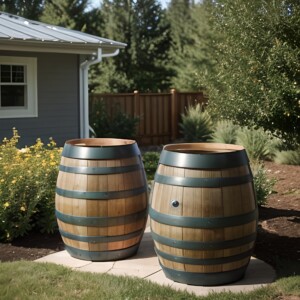
Colorado, a state known for its stunning landscapes and diverse climate, faces unique challenges when it comes to water resources. With its semi-arid climate, water conservation and efficient utilization are crucial for both urban and rural areas. Rain reclamation and collection, an innovative and eco-friendly approach, offers a promising solution to the water-related challenges that Coloradoans encounter. In this blog post, we’ll explore the incredible potential of rain reclamation and collection ability in Colorado while providing you with essential information on the topic.

Why Rain Reclamation and Collection Matters in Colorado

  1. Water Scarcity

Colorado, often referred to as the “Centennial State,” boasts incredible natural beauty, but it’s also characterized by varying levels of water scarcity. Its arid and semi-arid regions, including the Eastern Plains and Western Slope, receive limited annual precipitation, making it imperative for residents to efficiently manage and conserve water.

  1. Sustainable Water Management

Sustainable water management is at the forefront of Colorado’s environmental efforts. Rain reclamation and collection can significantly reduce the strain on traditional water sources, such as rivers and reservoirs. This approach encourages the use of rainwater as an additional, sustainable source for various purposes, from landscape irrigation to domestic use.

Benefits of Rain Reclamation and Collection

  1. Decreased Water Bills

One of the most immediate benefits of rain reclamation and collection is a reduction in water bills. By using collected rainwater for irrigation and non-potable purposes, homeowners and businesses can save substantial amounts of money.

  1. Drought Resilience

Rainwater collected during wet periods can be stored for use during droughts. This provides a much-needed source of water when traditional water supplies are scarce.

  1. Reduced Demand on Municipal Water Systems

Colorado’s cities and towns can benefit from rain reclamation by reducing the demand on municipal water systems. This helps prevent over-extraction of water from rivers and aquifers, preserving natural ecosystems and reducing the risk of water shortages.

  1. Enhanced Landscaping

For gardeners and landscapers in Colorado, rain reclamation can be a game-changer. Using rainwater for irrigation ensures that plants and lawns receive a consistent source of water, resulting in healthier and more vibrant landscapes.

Rain Reclamation and Legal Aspects

Before diving into rain reclamation, it’s essential to understand the legal aspects. In Colorado, rainwater collection is legal for non-potable uses, such as landscaping and irrigation. However, it’s essential to check with local regulations, as they can vary. In some cases, you may need to obtain a permit for rainwater harvesting systems.

Getting Started with Rain Reclamation

  1. Roof Collection Systems

The simplest way to begin rain reclamation is by installing a roof collection system. These systems capture rainwater from your roof and direct it into storage tanks or cisterns.

  1. Storage Tanks

Invest in high-quality storage tanks to store collected rainwater. These tanks come in various sizes to suit your needs. Ensure that the tanks are properly sealed and maintained to prevent contamination.

  1. Filtering and Treatment

To ensure the quality of the collected rainwater, it’s important to include a filtration and treatment system in your setup. This will remove debris and contaminants, making the water suitable for your intended uses.

Conclusion

Rain reclamation and collection in Colorado is an eco-friendly and cost-effective way to address the state’s water challenges. By harnessing the power of rainwater, residents and businesses can reduce water bills, become more self-reliant during droughts, and contribute to a more sustainable future. Remember to stay informed about local regulations and consult with experts to get started with rain reclamation, and you’ll be on your way to a more water-efficient and resilient Colorado.

Colorado Rain Reclamation: Legality, Benefits, and How to Start Collecting

Rainwater harvesting is a practice that has been gaining popularity in recent years, particularly in areas where water resources are limited. In Colorado, this is especially true, given the state’s arid climate and ongoing drought conditions. With the passage of new legislation in 2016, Colorado residents are now able to collect and use rainwater for outdoor purposes, providing a much-needed boost to water conservation efforts. In this post, we will explore the legality of rainwater collection in Colorado, its benefits, and how to get started with your own rain reclamation system.

Legality of Rainwater Collection in Colorado

For many years, rainwater collection in Colorado was illegal due to strict water rights laws that were designed to protect senior water rights holders. The reasoning was that collecting rainwater would interfere with the natural flow of water, potentially impacting downstream users. However, in 2016, Colorado Governor John Hickenlooper signed a bill that allows for limited residential rainwater collection.

Under the new law, Colorado residents can collect up to 110 gallons of rainwater or snowmelt in two barrels or similar containers without obtaining a water rights permit. It is important to note that this only applies to single-family homes, and the water must be used for outdoor purposes such as watering gardens, lawns, and trees. Additionally, the collected water cannot be used for drinking, bathing, or any indoor use.

Benefits of Rainwater Collection

There are numerous benefits to collecting rainwater in Colorado. Firstly, it helps to conserve water resources, which is essential in a state that regularly experiences drought conditions. By collecting rainwater, residents can reduce their reliance on municipal water supplies, thereby lowering their water bills and easing the burden on water treatment facilities. Additionally, rainwater is typically free of the chemicals and minerals found in municipal water, making it a more natural and healthy option for watering plants.

Rainwater collection also helps to reduce runoff, which can cause erosion and pollution in waterways. By capturing rainwater, homeowners can prevent soil erosion and reduce the amount of pollution entering local streams and rivers. This is particularly important in urban areas where large amounts of impervious surfaces such as concrete and asphalt prevent rainwater from being absorbed into the ground.

How to Start Collecting Rainwater

If you are interested in collecting rainwater in Colorado, there are a few things you need to know to get started. First and foremost, you must ensure that your collection system complies with the state’s regulations. This means that you can only collect up to 110 gallons of water in two barrels or similar containers, and the water must be used for outdoor purposes only.

When it comes to selecting a rainwater collection system, there are a few options to choose from. The most common is a rain barrel, which is a large container that is placed underneath a downspout to collect rainwater from the roof. Rain barrels typically range in size from 50 to 100 gallons and can be purchased at most hardware or garden supply stores. They are relatively easy to install and require little maintenance beyond periodic cleaning.

Another option is a cistern, which is a larger storage tank that can hold several thousand gallons of water. Cisterns are typically installed underground or in a basement, and they require more extensive installation and maintenance. However, they can provide a larger supply of water for irrigation and other outdoor uses.

Conclusion

Rainwater collection is a simple and effective way to conserve water and reduce runoff in Colorado. With the passage of new legislation in 2016, residents can now legally collect rainwater for outdoor use, providing a much-needed boost to water conservation efforts. By collecting rainwater, homeowners can reduce their reliance on municipal water supplies, lower their water bill and help reduce emissions.